Tel/WhatsApp
0086 135 2661 5783

Henan Jinrui Food Engineering Co., Ltd

With time going by, there is a important shift from dry technology to wet technology in cassava flour processing. They are two types of processing technology and have many differences in many ways. So do you know how to choose suitable processing technology in you cassava flour processing business?You can learn some information by following article:
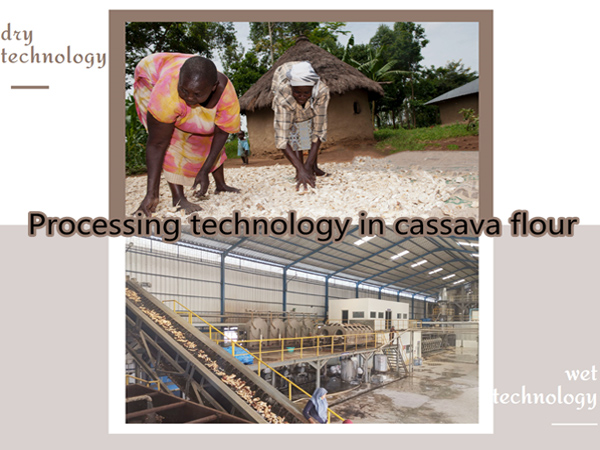 Dry technology VS. Wet technology in cassava flour processing
The differences of the productive process:
Obviously, dry technology means there is no water during the cassava flour processing. It is a traditional technology in cassava flour processing. The main processing steps are: fresh cassava was cleaning in dry sieve, peeling by manual operation, then making pellets of chips, drying the cassava chips(or even drying the whole cassava tuber under the sun), finally milling the dry cassava into powder directly.
In contrast, wet technology needs fresh cassava is well cleaning and peeling, then milling into pulps directly. The DOING company adopts wet technology in cassava flour processing. Cassava pulp finally can be dewatered and dried in flash dryer machine. If you have a higher requirement for cassava flour fineness, you can match a sieving machine to separate the coarse powder. In this way can you get the high-quality cassava flour.
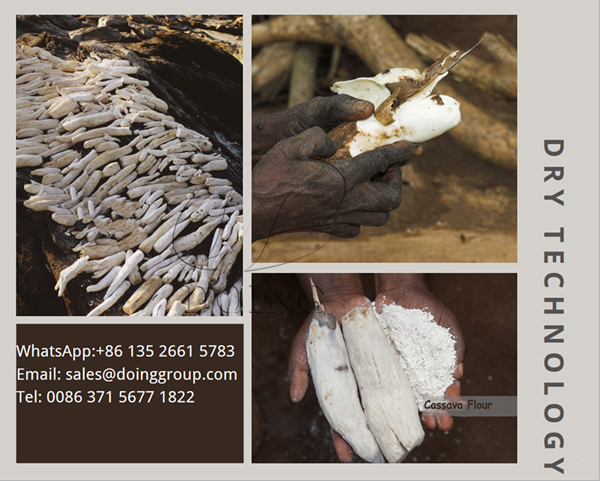 Dry technology in cassava flour processing
The differences of the quality of final cassava flour:
The dry technology needs at least one day for the whole cassava flour processing. During the process, because of the lack of professional machinery, it is not easy to control the ash, sand, color, etc. However, wet technology needs less than 10mins in cassava flour processing and there is almost no oxidation during the processing which can ensure the whiteness of the cassava flour. That is also an important reason that we can get high-quality cassava flour by using wet technology.
The differences of their usages:
The cassava flour adopts dry technology that can be used for animal feed, industrial ethanol production, etc. While the high-quality cassava flour produced in wet technology has a higher requirement and is normally used in the food industry, like a biscuit, bread, etc, which can also be used for human consumption.
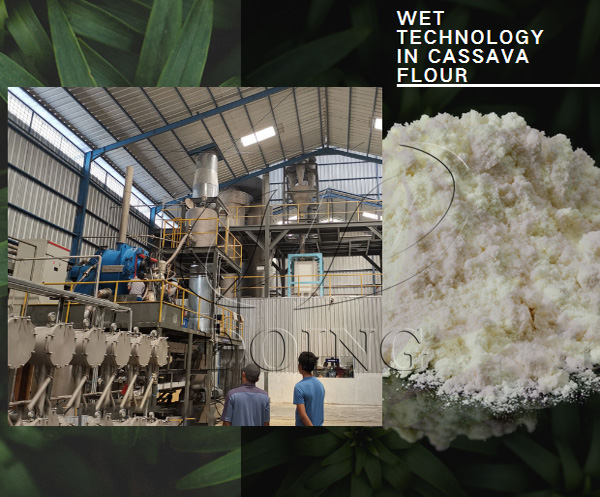 DOING company adopts wet technology in cassava flour processing
Wet technology is mainstream processing technology in high quality cassava flour processing. Therefore, as an investor, if you want to processing high quality cassava flour, you should choose wet technology. DOING company adopts wet technology to process cassava flour which is high efficient and has high fineness. If you have any demands, please contact us.
 How Many Tons of Potatoes Make 1 Ton of Starch? How to Start a Profitable Potato Starch Processing Business?
How Much Space for a 5tph Cassava Starch Processing Plant? Complete Factory Layout & Setup Guide
What Is the Market Price of Cassava Flour and Is Cassava Flour Processing Profitable?
From Fresh Cassava to Cassava Flour: A Complete Dry Process
Can cassava flour processing be a profitable alternative to wheat flour?
Is the Fufu Flour Processing Business Profitable?
Why Is the HQCF (High Quality Cassava Flour) Processing Business So Popular in Nigeria?
What Budget Is Required to Start a Cassava Flour Production Business in Congo?
What Is The Cost of Potato Starch Production Plant In India?
Cut Costs by 30% with the 2-in-1 Garri and Cassava Flour Processing Line
Henan Jinrui Secures 2-in-1 Processing Line Project for Garri and Cassava Flour Production in Gabon
Henan Jinrui delivers attieke processing equipment to the customer in Côte d'Ivoire
Henan Jinrui Successfully Ships Cassava Flour Processing Line to Madagascar Client
Henan Jinrui Advanced Cassava Starch Processing Equipment Wins Over Nigerian Food Processor
Henan Jinrui Delivers Custom 1TPD Garri & Attieke Making Equipment to Benin
How Many Tons of Potatoes Make 1 Ton of Starch? How to Start a Profitable Potato Starch Processing Business?
How Much Space for a 5tph Cassava Starch Processing Plant? Complete Factory Layout & Setup Guide
What Is the Market Price of Cassava Flour and Is Cassava Flour Processing Profitable?
From Fresh Cassava to Cassava Flour: A Complete Dry Process
Can cassava flour processing be a profitable alternative to wheat flour?
Is the Fufu Flour Processing Business Profitable?
Why Is the HQCF (High Quality Cassava Flour) Processing Business So Popular in Nigeria?
What Budget Is Required to Start a Cassava Flour Production Business in Congo?
What Is The Cost of Potato Starch Production Plant In India?
Cut Costs by 30% with the 2-in-1 Garri and Cassava Flour Processing Line
Henan Jinrui Secures 2-in-1 Processing Line Project for Garri and Cassava Flour Production in Gabon
Henan Jinrui delivers attieke processing equipment to the customer in Côte d'Ivoire
Henan Jinrui Successfully Ships Cassava Flour Processing Line to Madagascar Client
Henan Jinrui Advanced Cassava Starch Processing Equipment Wins Over Nigerian Food Processor
Henan Jinrui Delivers Custom 1TPD Garri & Attieke Making Equipment to Benin
DOING company offers cassava processing machine from single machine to the complete production line. If you want to get more details about Processing technology in cassava flour: dry technology VS. wet technology , please contact us: