Tel/WhatsApp
0086 135 2661 5783

Henan Jinrui Food Engineering Co., Ltd

Also known as malt sugar, maltose is formed by uniting two units of glucose that provide the first link in a process that eventually results in the creation of starch. It is an important component in the process of creating fermented barley that in turn can be used to brew beer. Adding in a third unit of glucose produces a sugar that is known as maltotriose, while further units make it possible to produce maltodextrins. All these steps create concentrations of sweet product that can be used in a number of different food applications, in addition to producing beer.
Creating maltose in nature is not difficult at all. Using barley as the base, the process begins with allowing the grain to germinate. After a certain amount of time, which varies depending on how the malted barley will be used, it is heated to stop the germination process. Malting the germinated barley helps to increase the concentration of amylase enzymes in the material. When the grain is combined with water and heated, the amylase breaks down the starch in the grain to produce maltose.
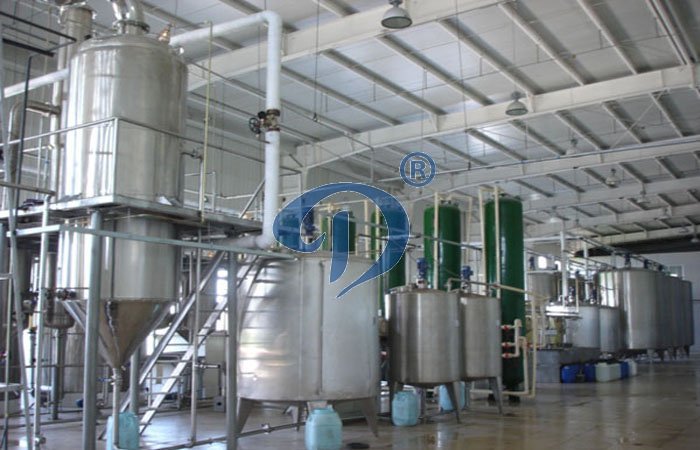
Syrup production machine
The produced maltose is added to yeast as the fermentation process continues. Water-soluble sugar forms and when introduced into the liquid stages of the process helps to release both ethanol and carbon dioxide. Assuming the mix of sugar and the yeast is correct, the beer that results from the process will be smooth, full bodied, and tasteful.
Maltose can also be artificially created in a laboratory. This is accomplished by heating the medium with the addition of a strong acid for roughly ten minutes. Because heating can accelerate the process of preparing maltose for use in the creation of beverages, many large-scale producers choose to use this method as a means of creating large batches of product.
Maltose is not a substance that should be consumed as a separate sweetener in the same manner as table sugar. However, it is an excellent additive to many different types of packaged foods, including non-alcoholic beverages.
 How Many Tons of Potatoes Make 1 Ton of Starch? How to Start a Profitable Potato Starch Processing Business?
How Much Space for a 5tph Cassava Starch Processing Plant? Complete Factory Layout & Setup Guide
What Is the Market Price of Cassava Flour and Is Cassava Flour Processing Profitable?
From Fresh Cassava to Cassava Flour: A Complete Dry Process
Can cassava flour processing be a profitable alternative to wheat flour?
Is the Fufu Flour Processing Business Profitable?
Why Is the HQCF (High Quality Cassava Flour) Processing Business So Popular in Nigeria?
What Budget Is Required to Start a Cassava Flour Production Business in Congo?
What Is The Cost of Potato Starch Production Plant In India?
Cut Costs by 30% with the 2-in-1 Garri and Cassava Flour Processing Line
Henan Jinrui Secures 2-in-1 Processing Line Project for Garri and Cassava Flour Production in Gabon
Henan Jinrui delivers attieke processing equipment to the customer in Côte d'Ivoire
Henan Jinrui Successfully Ships Cassava Flour Processing Line to Madagascar Client
Henan Jinrui Advanced Cassava Starch Processing Equipment Wins Over Nigerian Food Processor
Henan Jinrui Delivers Custom 1TPD Garri & Attieke Making Equipment to Benin
How Many Tons of Potatoes Make 1 Ton of Starch? How to Start a Profitable Potato Starch Processing Business?
How Much Space for a 5tph Cassava Starch Processing Plant? Complete Factory Layout & Setup Guide
What Is the Market Price of Cassava Flour and Is Cassava Flour Processing Profitable?
From Fresh Cassava to Cassava Flour: A Complete Dry Process
Can cassava flour processing be a profitable alternative to wheat flour?
Is the Fufu Flour Processing Business Profitable?
Why Is the HQCF (High Quality Cassava Flour) Processing Business So Popular in Nigeria?
What Budget Is Required to Start a Cassava Flour Production Business in Congo?
What Is The Cost of Potato Starch Production Plant In India?
Cut Costs by 30% with the 2-in-1 Garri and Cassava Flour Processing Line
Henan Jinrui Secures 2-in-1 Processing Line Project for Garri and Cassava Flour Production in Gabon
Henan Jinrui delivers attieke processing equipment to the customer in Côte d'Ivoire
Henan Jinrui Successfully Ships Cassava Flour Processing Line to Madagascar Client
Henan Jinrui Advanced Cassava Starch Processing Equipment Wins Over Nigerian Food Processor
Henan Jinrui Delivers Custom 1TPD Garri & Attieke Making Equipment to Benin
DOING company offers cassava processing machine from single machine to the complete production line. If you want to get more details about what is maltose syrup? , please contact us: