Tel/WhatsApp
0086 135 2661 5783

Henan Jinrui Food Engineering Co., Ltd

Processing cassava flour by dry method is a traditional approach that involves several key steps. This method contrasts with wet processing and has its own set of advantages and disadvantages. Now we will introduce how to process cassava flour by dry method to you.
Dry Processing Method
1. Peeling
The dry processing of cassava flour begins with the preparation of the cassava roots. The cassava is first peeled to remove the outer skin, which is typically tough and inedible. A cassava peeler is often used to assist cassava peeling process.
2. Slicing
Once peeled, the cassava roots are cut into thick slices by a cassava slicer. This cutting is important as it ensures that the slices dry evenly and efficiently. Henan Jinrui's cassava slicer can control the thickness of final cassava chips, whose range vary from 5cm to 8cm.
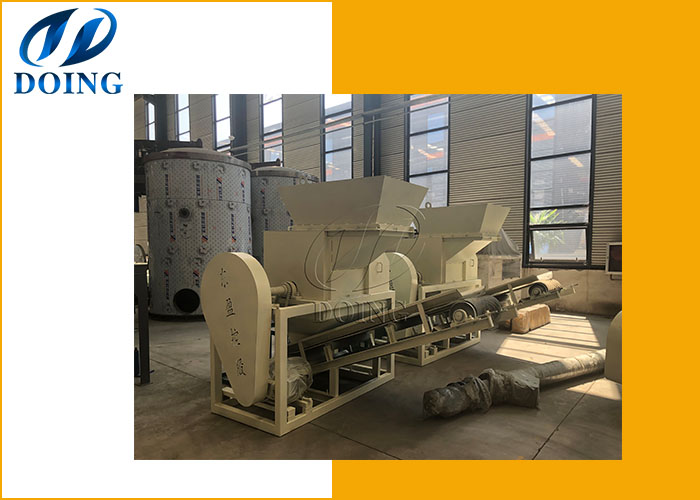 cassava slicing machine
2. Drying
After slicing, the next step is drying. In the dry processing method, the cassava slices are subjected to belt drying. Belt drying is a process where the slices are placed on a moving conveyor belt that passes through a drying chamber. In this chamber, hot air is circulated to remove most of the moisture from the cassava slices. This drying process reduces the water content significantly, which is crucial for preventing spoilage and extending the shelf life of the cassava slices.
3. Grinding
Once the cassava slices are adequately dried, they are ground into a fine powder. This is done using a cassava milling machine, which crushes the dried slices into cassava flour. The grinding process must be thorough to achieve a consistent flour texture. After grinding, the cassava flour is often screened to remove any larger particles and ensure uniformity.
Advantages of Dry Processing
1. Simplicity and Cost-Effectiveness
The dry cassava flour processing method is relatively simple compared to wet processing. The equipment required for dry processing, such as belt dryers and milling machines, is generally less expensive and less complex than the equipment used for wet processing. This simplicity makes dry processing a cost-effective option, especially for small to medium-scale operations.
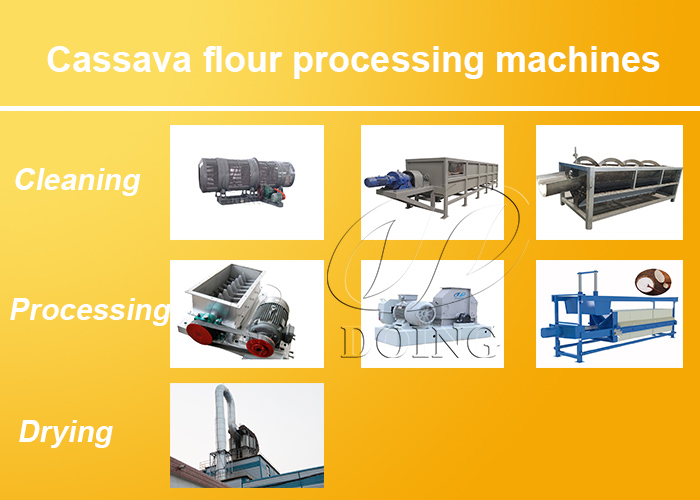 cassava flour machine
2. Flexibility in Location
One significant advantage of dry cassava flour processing is its flexibility in location. Since the cassava slices can be dried using belt dryers, which can be set up in various locations, it is possible to process cassava even if the processing plant is not close to cassava fields. This is particularly beneficial in regions where cassava fields are far from processing facilities.
3. Preservation of Cassava
Cassava starts to deteriorate within 48 hours after harvesting and becomes completely unusable after about 7 days. By drying the cassava slices, this method effectively extends the usability of the cassava, reducing spoilage and waste. Dried cassava slices can be stored for longer periods, which is advantageous for managing supply and demand.
Disadvantages of Dry Processing
1. Potential Quality Issues
One of the main drawbacks of dry cassava flour processing is related to the quality of the final product. During the drying process, the cassava slices are exposed to air, which can lead to oxidation. This oxidation can negatively impact the quality of the cassava flour, causing a decrease in its color, flavor, and overall nutritional value.
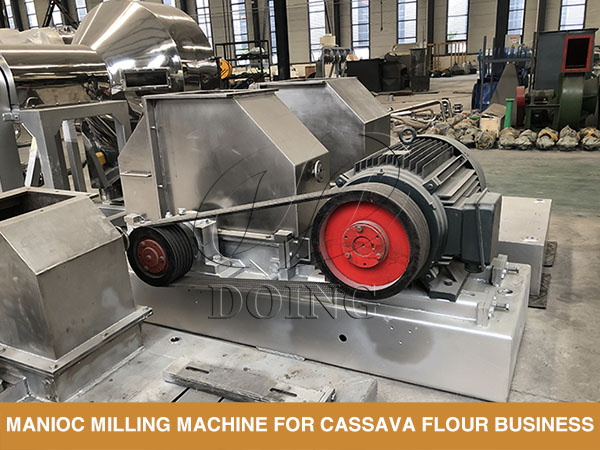 cassava mill
2. Reduced Viscosity
Cassava flour produced through dry processing often exhibits lower viscosity compared to flour produced through wet processing. This is because the drying process can alter the starch structure in the cassava, leading to a reduction in its thickening properties. For applications that require high viscosity, such as certain types of baking or cooking, this can be a significant drawback.
3. Higher Energy Consumption
Although the dry processing method itself is simple, it can require substantial energy for drying the cassava slices. The belt drying process demands consistent heat and air circulation, which can lead to higher energy costs. This is an important consideration for managing operational expenses and environmental impact.
Conclusion
In summary, the dry processing method for cassava flour is a straightforward and cost-effective approach with certain advantages. Understanding these aspects can help in selecting the most suitable equipment for producing high-quality cassava flour. If you want learn more about cassava processing machines, welcome to contact us!
 Tapioca Starch Plant Upgrade: How Can I Increase Production Capacity?
Cassava Flour Milling in Thailand: Process, Equipment, and Throughput
How Many Tons of Potatoes Make 1 Ton of Starch? How to Start a Profitable Potato Starch Processing Business?
How Much Space for a 5tph Cassava Starch Processing Plant? Complete Factory Layout & Setup Guide
What Is the Market Price of Cassava Flour and Is Cassava Flour Processing Profitable?
From Fresh Cassava to Cassava Flour: A Complete Dry Process
Can cassava flour processing be a profitable alternative to wheat flour?
Is the Fufu Flour Processing Business Profitable?
Why Is the HQCF (High Quality Cassava Flour) Processing Business So Popular in Nigeria?
What Budget Is Required to Start a Cassava Flour Production Business in Congo?
Henan Jinrui Secures 2-in-1 Processing Line Project for Garri and Cassava Flour Production in Gabon
Henan Jinrui delivers attieke processing equipment to the customer in Côte d'Ivoire
Henan Jinrui Successfully Ships Cassava Flour Processing Line to Madagascar Client
Henan Jinrui Advanced Cassava Starch Processing Equipment Wins Over Nigerian Food Processor
Henan Jinrui Delivers Custom 1TPD Garri & Attieke Making Equipment to Benin
Tapioca Starch Plant Upgrade: How Can I Increase Production Capacity?
Cassava Flour Milling in Thailand: Process, Equipment, and Throughput
How Many Tons of Potatoes Make 1 Ton of Starch? How to Start a Profitable Potato Starch Processing Business?
How Much Space for a 5tph Cassava Starch Processing Plant? Complete Factory Layout & Setup Guide
What Is the Market Price of Cassava Flour and Is Cassava Flour Processing Profitable?
From Fresh Cassava to Cassava Flour: A Complete Dry Process
Can cassava flour processing be a profitable alternative to wheat flour?
Is the Fufu Flour Processing Business Profitable?
Why Is the HQCF (High Quality Cassava Flour) Processing Business So Popular in Nigeria?
What Budget Is Required to Start a Cassava Flour Production Business in Congo?
Henan Jinrui Secures 2-in-1 Processing Line Project for Garri and Cassava Flour Production in Gabon
Henan Jinrui delivers attieke processing equipment to the customer in Côte d'Ivoire
Henan Jinrui Successfully Ships Cassava Flour Processing Line to Madagascar Client
Henan Jinrui Advanced Cassava Starch Processing Equipment Wins Over Nigerian Food Processor
Henan Jinrui Delivers Custom 1TPD Garri & Attieke Making Equipment to Benin
DOING company offers cassava processing machine from single machine to the complete production line. If you want to get more details about How to process cassava flour by dry method? , please contact us: