Tel/WhatsApp
0086 135 2661 5783

Henan Jinrui Food Engineering Co., Ltd

How do you turn fresh cassava into Attieke—the popular cassava couscous widely enjoyed in Côte d'Ivoire and across West Africa?
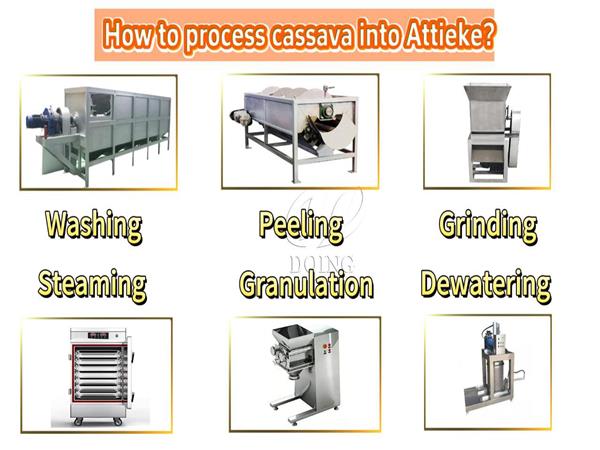
Moving from traditional manual methods to modern mechanized production requires a continuous, hygienic workflow. Henan Jinrui presents the complete 7-step attieke processing workflow using modern cassava processing equipment:
Cleaning & Washing: A dedicated paddle washer thoroughly removes dirt and impurities from fresh cassava roots.
Peeling: The high-efficiency cassava peeler removes both the outer mahogany bark and inner thick skin seamlessly.
Grinding / Crushing: A specialized particle grinder breaks down cleaned cassava into fine, uniform pulp.
Controlled Fermentation: Cassava pulp is left to ferment naturally for 2–3 days to develop the iconic tangy flavor of authentic attieke.
Hydraulic Dewatering: A heavy-duty hydraulic press efficiently squeezes out excess moisture from the fermented mash.
Granulation: The specialized granulator transforms the semi-dry cassava cake into loose, uniform couscous grains.
Steaming & Cooking: An industrial electric steamer rapidly cooks the grains, producing fluffy, shelf-stable, ready-to-eat attieke.
Integrating a complete attieke production line ensures batch-to-batch consistency, high yields, and strict food hygiene compliance. Whether you are building a small cassava workshop or an industrial-scale processing plant in West Africa, our equipment is built with food-grade stainless steel to resist corrosion and lower maintenance costs.
Q: What is the main advantage of mechanized attieke processing over traditional methods?
A: Mechanized processing dramatically reduces manual labor, speeds up dewatering and granulation, and ensures hygienic, uniform grain size with longer shelf life.
Contact Henan Jinrui today to get a tailored equipment quote, factory layout design, and technical proposal!
How to Process Attieke? Complete Equipment & Workflow Guide | Henan Jinrui
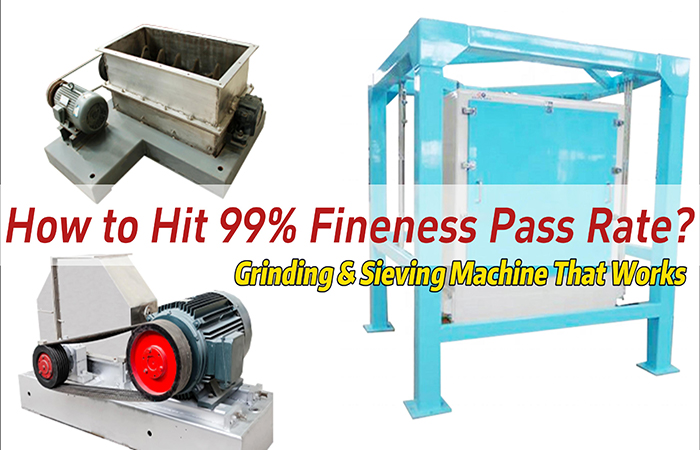
How to Improve Cassava Flour Fineness Compliance Rate? A Guide to Crusher + Sifter Selection
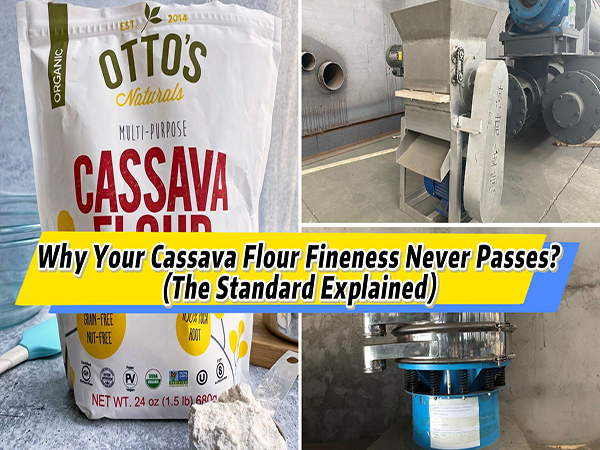
Two Production Mistakes Killing Your Cassava Flour Fineness Pass Rate
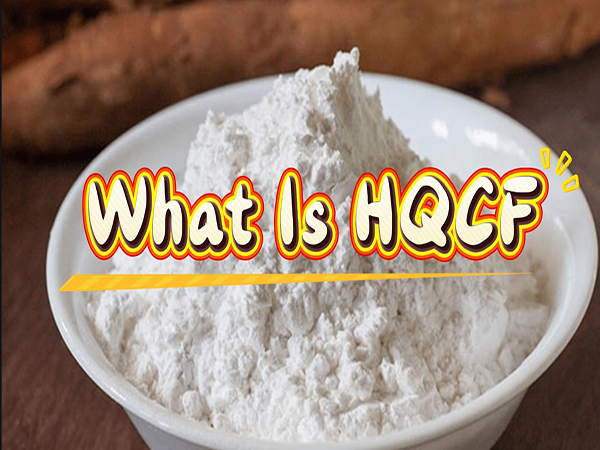
What Is Real High Quality Cassava Flour? A Guide to the 5 Quality Indicators Buyers Ignore

High-Efficiency Cassava Grater for Garri & Attieke Production
DOING company offers cassava processing machine from single machine to the complete production line. If you want to get more details about How to Process Attieke? Complete Equipment & Workflow Guide | Henan Jinrui , please contact us: