Tel/WhatsApp
0086 135 2661 5783

Henan Jinrui Food Engineering Co., Ltd

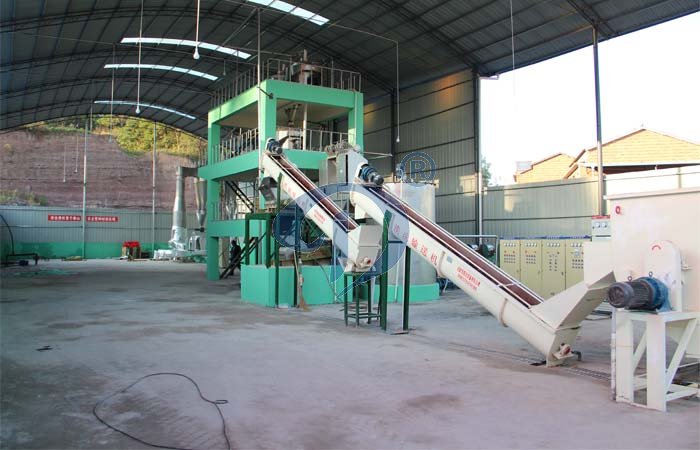
potato starch processing line
Gluten-free and an effective thickener, potato starch gives people who suffer from gluten intolerance or celiac disease a viable alternative to wheat-based thickeners. Also known as potato flour, potato starch only needs cold water and heat to gelatinize, unlike wheat thickeners, such as flour, which need fat.
Potato starch processing
Potatoes after cleaning, crushing,centrifuging, concentrating & refining, dewatering and drying will be processed in potato starch. Potato starch is a natural substance, but producers use a sodium-bisulfite solution or sulfur-dioxide gas to prevent oxidation, so it isn't organic.
Potato starch properties
Potato starch reacts differently to heat, fat and water than wheat starches do. You can add potato starch to soups and sauces via a slurry, or equal parts potato starch and cold water -- no fat needed. Gluten starches, on the other hand, such as flour, need fat to separate the granules and prevent clumping to gelatinize, or swell, effectively. Although potato starch is an effective thickener on par with wheat-based starches, it doesn't have as much stability and rapidly breaks down when exposed to boiling temperatures. Potato starch also has a pronounced taste, so you must cook the liquid you add it to for a few minutes to "cook" the potato flavor out, but you can't let it boil when doing so. This isn't a problem with wheat-based starch because fat stabilizes them. So, although you can get effective thickening for less fat and calories with potato starch, you have to handle it more delicately than starches that contain gluten.
How to use potato starch?
You have to accommodate for potato starch's instability when using it as a thickener, which means adding it at the very end of cooking. Add 1 tablespoon of potato starch mixed with 1 tablespoon of cold water for every cup of soup or sauce and whisk it in, then cook for about five minutes -- without letting it reach a boil. Soups and sauces thickened with potato starch will thin out if you reheat them.
 Tapioca Starch Plant Upgrade: How Can I Increase Production Capacity?
Cassava Flour Milling in Thailand: Process, Equipment, and Throughput
How Many Tons of Potatoes Make 1 Ton of Starch? How to Start a Profitable Potato Starch Processing Business?
How Much Space for a 5tph Cassava Starch Processing Plant? Complete Factory Layout & Setup Guide
What Is the Market Price of Cassava Flour and Is Cassava Flour Processing Profitable?
From Fresh Cassava to Cassava Flour: A Complete Dry Process
Can cassava flour processing be a profitable alternative to wheat flour?
Is the Fufu Flour Processing Business Profitable?
Why Is the HQCF (High Quality Cassava Flour) Processing Business So Popular in Nigeria?
What Budget Is Required to Start a Cassava Flour Production Business in Congo?
Henan Jinrui Secures 2-in-1 Processing Line Project for Garri and Cassava Flour Production in Gabon
Henan Jinrui delivers attieke processing equipment to the customer in Côte d'Ivoire
Henan Jinrui Successfully Ships Cassava Flour Processing Line to Madagascar Client
Henan Jinrui Advanced Cassava Starch Processing Equipment Wins Over Nigerian Food Processor
Henan Jinrui Delivers Custom 1TPD Garri & Attieke Making Equipment to Benin
Tapioca Starch Plant Upgrade: How Can I Increase Production Capacity?
Cassava Flour Milling in Thailand: Process, Equipment, and Throughput
How Many Tons of Potatoes Make 1 Ton of Starch? How to Start a Profitable Potato Starch Processing Business?
How Much Space for a 5tph Cassava Starch Processing Plant? Complete Factory Layout & Setup Guide
What Is the Market Price of Cassava Flour and Is Cassava Flour Processing Profitable?
From Fresh Cassava to Cassava Flour: A Complete Dry Process
Can cassava flour processing be a profitable alternative to wheat flour?
Is the Fufu Flour Processing Business Profitable?
Why Is the HQCF (High Quality Cassava Flour) Processing Business So Popular in Nigeria?
What Budget Is Required to Start a Cassava Flour Production Business in Congo?
Henan Jinrui Secures 2-in-1 Processing Line Project for Garri and Cassava Flour Production in Gabon
Henan Jinrui delivers attieke processing equipment to the customer in Côte d'Ivoire
Henan Jinrui Successfully Ships Cassava Flour Processing Line to Madagascar Client
Henan Jinrui Advanced Cassava Starch Processing Equipment Wins Over Nigerian Food Processor
Henan Jinrui Delivers Custom 1TPD Garri & Attieke Making Equipment to Benin
DOING company offers cassava processing machine from single machine to the complete production line. If you want to get more details about Is potato starch gluten free? , please contact us: