Tel/WhatsApp
0086 135 2661 5783

Henan Jinrui Food Engineering Co., Ltd

65% of the world's total production of cassava is used for human food and is the main food crop for low-income farmers in tropical wetlands. Traditionally cassava are mainly processed into garri, cassava flour, fufu and abacha in Nigeria, or kokonte and agbelima in Ghana. Because cassava flour can better retain the nutrient content of fresh cassava and has good processing characteristics, it has broad application prospects in the food industry and is an important daily dietary material in Nigeria. But how to make cassava flour in Nigeria, we will explain this question in detail.
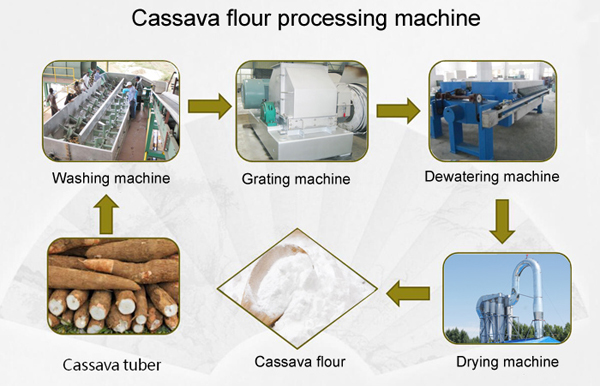 How to make cassava flour in Nigeria
Regardless of traditional casssava flour processing steps or modern method, cassava flour processing is relatively simple and the process is not complicated. The main process of how to make cassava flour in Nigeria is the cleaning, grating, dewatering, drying, sieving and packaging.
First, the cleaning of cassava. The harvested cassava has many dirt and impurities on its surface. Before the cassava is grated, it must be carefully cleaned for how to make cassava flour in Nigeria. Otherwise the impurities will mix in the cassava flour, affecting the quality of final products. When cleaning cassava, wash it with clean water for several times to wash away the dirt on the skin.
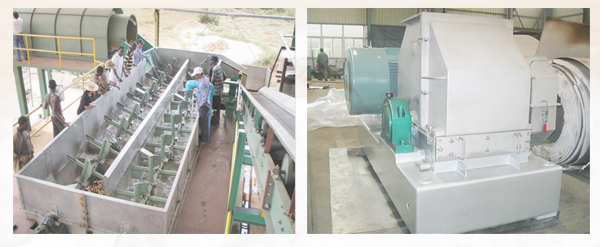 Cassava washing and grating machine
Second, the grating of cassava. Cassava can be grated into cassava pulp by using traditional stone grating methods or modern mechanized grating methods. It is necessary to peel the cassava before the traditional grinding, because the cassava skin contains toxic cyanide, which needs to be peeled before further processing for how to make cassava flour in Nigeria. Doing Company cassava grinding machine does not need a peeling step, because our new design grinding machine has high breakage rate, complete smashing, high extraction rate, and the toxin in cassava is removed during the grinding process.
Third, the dehydration of the cassava pulp. After the cassava is grated, the water content is too high, and dehydration is required before drying. The traditional cassava dehydration method adopts specially made tools for how to make cassava flour in Nigeria. Now automatic mechanized dehydration is used, which has the characteristics of high efficiency, large processing capacity, good dehydration effect, and low moisture content of the filter cake.
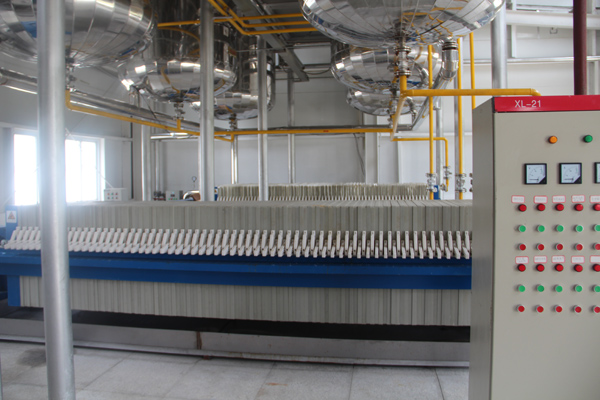 Plate frame filter press for cassava flour dewatering
Fourth, the dry of cassava flour. Traditional method for how to make cassava flour in Nigeria is dried in a natural way, that is drying by the sun. However, it is easily affected by the weather factor, and cassava flour is easily contaminated by exposure to the air for a long time. Modern mechanized production uses stainless steel airflow flash dryer to dry cassava flour, high efficiency, energy saving, no pollution and good quality of cassava flour.
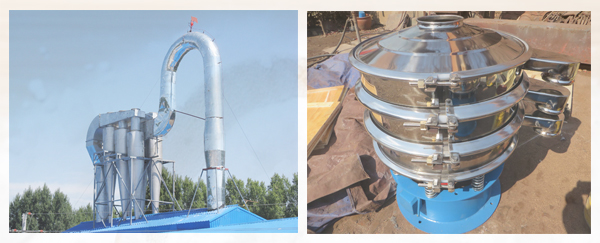 Machines for cassava flour drying and sieving
Fifth, the sieving and packaging of cassava flour. The purpose of sieving is to improve the fineness and quality of cassava flour by sieving large particles out of cassava flour. The traditional blocky cassava powder after sun drying also needs to be mechanically crushed and then sieved for how to make cassava flour in Nigeria. The sieved cassava flour becomes a products that can be sold and can be packaged for storage or sale. Adopting automatic packinf machine packs the processed cassava flour into bags to avoid corrosion, ensure hygiene and facilitate transportation.
In short, cassava flour production process is not a difficult thing, the processing procedures and methods are not complicated, Henan Doing Machinery can equip suitable cassava flour processing machine and production line according to customer's production requirements, and provide complete turnkey project from equipment installation, commissioning, test machine, etc. . If any question about how to make cassava flour in Nigeria, welcome to contact DOING engineers.
 Tapioca Starch Plant Upgrade: How Can I Increase Production Capacity?
Cassava Flour Milling in Thailand: Process, Equipment, and Throughput
How Many Tons of Potatoes Make 1 Ton of Starch? How to Start a Profitable Potato Starch Processing Business?
How Much Space for a 5tph Cassava Starch Processing Plant? Complete Factory Layout & Setup Guide
What Is the Market Price of Cassava Flour and Is Cassava Flour Processing Profitable?
From Fresh Cassava to Cassava Flour: A Complete Dry Process
Can cassava flour processing be a profitable alternative to wheat flour?
Is the Fufu Flour Processing Business Profitable?
Why Is the HQCF (High Quality Cassava Flour) Processing Business So Popular in Nigeria?
What Budget Is Required to Start a Cassava Flour Production Business in Congo?
Henan Jinrui Secures 2-in-1 Processing Line Project for Garri and Cassava Flour Production in Gabon
Henan Jinrui delivers attieke processing equipment to the customer in Côte d'Ivoire
Henan Jinrui Successfully Ships Cassava Flour Processing Line to Madagascar Client
Henan Jinrui Advanced Cassava Starch Processing Equipment Wins Over Nigerian Food Processor
Henan Jinrui Delivers Custom 1TPD Garri & Attieke Making Equipment to Benin
Tapioca Starch Plant Upgrade: How Can I Increase Production Capacity?
Cassava Flour Milling in Thailand: Process, Equipment, and Throughput
How Many Tons of Potatoes Make 1 Ton of Starch? How to Start a Profitable Potato Starch Processing Business?
How Much Space for a 5tph Cassava Starch Processing Plant? Complete Factory Layout & Setup Guide
What Is the Market Price of Cassava Flour and Is Cassava Flour Processing Profitable?
From Fresh Cassava to Cassava Flour: A Complete Dry Process
Can cassava flour processing be a profitable alternative to wheat flour?
Is the Fufu Flour Processing Business Profitable?
Why Is the HQCF (High Quality Cassava Flour) Processing Business So Popular in Nigeria?
What Budget Is Required to Start a Cassava Flour Production Business in Congo?
Henan Jinrui Secures 2-in-1 Processing Line Project for Garri and Cassava Flour Production in Gabon
Henan Jinrui delivers attieke processing equipment to the customer in Côte d'Ivoire
Henan Jinrui Successfully Ships Cassava Flour Processing Line to Madagascar Client
Henan Jinrui Advanced Cassava Starch Processing Equipment Wins Over Nigerian Food Processor
Henan Jinrui Delivers Custom 1TPD Garri & Attieke Making Equipment to Benin
DOING company offers cassava processing machine from single machine to the complete production line. If you want to get more details about How to make cassava flour in nigeria ? , please contact us: