Tel/WhatsApp
0086 135 2661 5783

Henan Jinrui Food Engineering Co., Ltd

How corn syrup is made?
Corn syrup is produced in processing plants known as wet corn mills. In addition to corn syrup, these mills produce many other corn products including corn oil, corn starch, dextrose, soap stock, animal feed, and several chemicals used in other industrial processes.
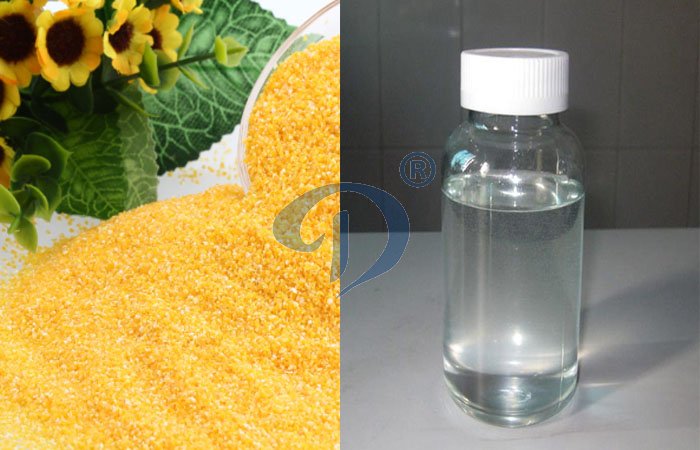
Corn syrup
How corn syrup is made by the corn syrup machine?
1 Dried, shelled corn kernels are transported to the mill in trucks, railcars, or barges. The corn is unloaded into a storage pit where it is weighed and sampled.
2 The kernels are taken from the pit on conveyors and are passed over a set of vibrating screens or perforated metal grates to remove any sticks, husks, stones, and pieces of cob. A controlled blast of air blows away any chaff and dust, while electromagnets capture any nails, screws, or bits of metal that may have fallen in among the kernels during harvesting, shelling, or shipping.
3 The cleaned kernels are placed in a series of large stainless steel tanks called steep tanks. Each tank holds about 168,000 lb (76,000 kg) of kernels. Warm water with a small amount of sulfur dioxide is circulated through the tanks. The sulfur dioxide reacts with the water to form a weak sulfurous acid solution. This process continues for about 20-40 hours and is used to soften the kernels and make it easier to separate the starch.
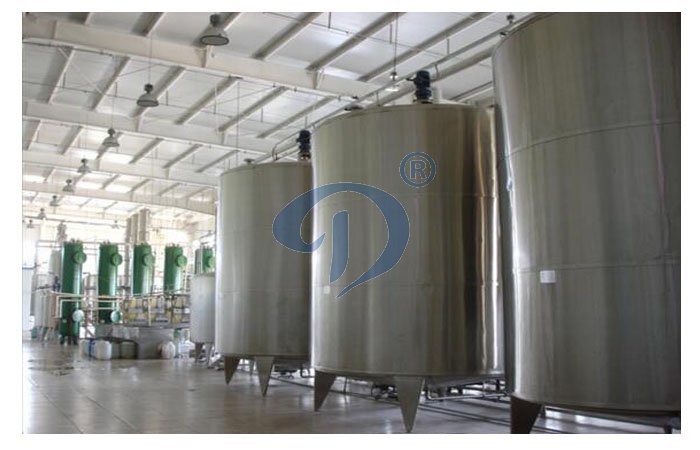
A corner of corn syrup making machine in corn syrup making plant
4 The softened kernels are passed through coarse grinding mills to remove the inner portion of the kernel, called the germ, which contains most of the corn oil. Each mill has one stationary and one rotating disk. The clearance between the two disks is adjusted to tear the kernel apart without crushing the germ.
5 The resulting pulp is transferred to a set of cyclone separators called germ separators or hydroclones. The germs, which are less dense than the other parts of the kernel, are spun out of the pulp by centrifugal force. The germs are then pumped onto a series of screens and washed several times to remove any remaining starch. The cleaned germs are heated and pressed to extract the corn oil for further processing into food products and soap stock.
6 The remaining material from the germ separators is a slurry composed of starch, protein, and fiber. This slurry passes through another set of mills to tear the starch lose from the fiber. The fiber is then trapped on a set of washing screens and is dried to become animal feed or corn bran fiber for use in cereals.
7 The starch and protein mixture, called mill starch, is pumped into a set of centrifugal separators that spin the mixture at high speeds. Because of a difference in specific gravity between the two materials, the heavier starch can be separated from the lighter protein, which is called the gluten. The gluten is dried and sold as animal feed.
8 The starch is diluted with water before being washed and filtered 8-14 times to remove any remaining protein. It is then rediluted and run through a second set of centrifugal separators. The resulting starch is more than 99.5% pure. Some of this corn starch is dried and packaged for use in food products, building materials, or to produce various chemicals. The rest of it, usually the majority, is converted into corn sweeteners including corn syrup.
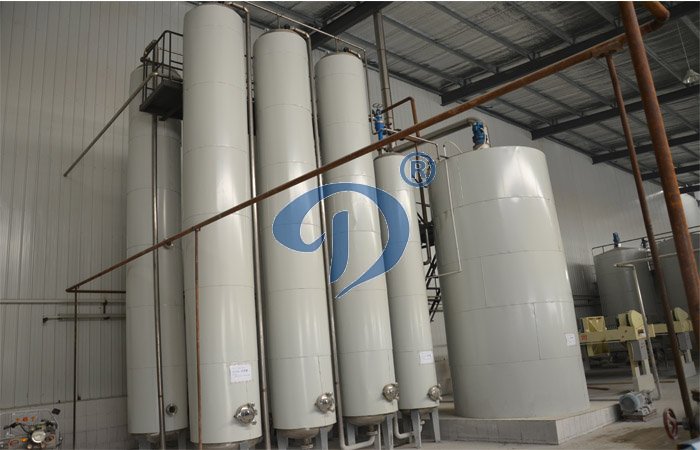
The corn syrup making machine
Converting corn starch into corn syrup by corn syrup machine:
9 Corn starch is converted into ordinary corn syrup through a process called acid hydrolysis. In this process, the wet starch is mixed with a weak solution of hydrochloric acid and is heated under pressure. The hydrochloric acid and heat break down the starch molecules and convert them into a sugar. The hydrolysis can be interrupted at different key points to produce corn syrups of varying sweetness. The longer the process is allowed to proceed, the sweeter the resulting syrup.
10 This syrup is then filtered or otherwise clarified to remove any objectionable flavor or color. It is further refined and evaporated to reduce the amount of water.
 How Many Tons of Potatoes Make 1 Ton of Starch? How to Start a Profitable Potato Starch Processing Business?
How Much Space for a 5tph Cassava Starch Processing Plant? Complete Factory Layout & Setup Guide
What Is the Market Price of Cassava Flour and Is Cassava Flour Processing Profitable?
From Fresh Cassava to Cassava Flour: A Complete Dry Process
Can cassava flour processing be a profitable alternative to wheat flour?
Is the Fufu Flour Processing Business Profitable?
Why Is the HQCF (High Quality Cassava Flour) Processing Business So Popular in Nigeria?
What Budget Is Required to Start a Cassava Flour Production Business in Congo?
What Is The Cost of Potato Starch Production Plant In India?
Cut Costs by 30% with the 2-in-1 Garri and Cassava Flour Processing Line
Henan Jinrui Secures 2-in-1 Processing Line Project for Garri and Cassava Flour Production in Gabon
Henan Jinrui delivers attieke processing equipment to the customer in Côte d'Ivoire
Henan Jinrui Successfully Ships Cassava Flour Processing Line to Madagascar Client
Henan Jinrui Advanced Cassava Starch Processing Equipment Wins Over Nigerian Food Processor
Henan Jinrui Delivers Custom 1TPD Garri & Attieke Making Equipment to Benin
How Many Tons of Potatoes Make 1 Ton of Starch? How to Start a Profitable Potato Starch Processing Business?
How Much Space for a 5tph Cassava Starch Processing Plant? Complete Factory Layout & Setup Guide
What Is the Market Price of Cassava Flour and Is Cassava Flour Processing Profitable?
From Fresh Cassava to Cassava Flour: A Complete Dry Process
Can cassava flour processing be a profitable alternative to wheat flour?
Is the Fufu Flour Processing Business Profitable?
Why Is the HQCF (High Quality Cassava Flour) Processing Business So Popular in Nigeria?
What Budget Is Required to Start a Cassava Flour Production Business in Congo?
What Is The Cost of Potato Starch Production Plant In India?
Cut Costs by 30% with the 2-in-1 Garri and Cassava Flour Processing Line
Henan Jinrui Secures 2-in-1 Processing Line Project for Garri and Cassava Flour Production in Gabon
Henan Jinrui delivers attieke processing equipment to the customer in Côte d'Ivoire
Henan Jinrui Successfully Ships Cassava Flour Processing Line to Madagascar Client
Henan Jinrui Advanced Cassava Starch Processing Equipment Wins Over Nigerian Food Processor
Henan Jinrui Delivers Custom 1TPD Garri & Attieke Making Equipment to Benin
DOING company offers cassava processing machine from single machine to the complete production line. If you want to get more details about How corn syrup is made by corn syrup machine? , please contact us: