Tel/WhatsApp
0086 135 2661 5783

Henan Jinrui Food Engineering Co., Ltd

Cassava is a kind of long, tapered tuberous root which is also known as cassava, yucca, mogo, manioc, mandioca. It can be divided into either sweet or bitter type. And it is mainly processed into three products: cassava flour, cassava starch and garri. Cassava flour is consider as the priority substitution for wheat flour, especially when the price of wheat is becoming unbearable in the national market.
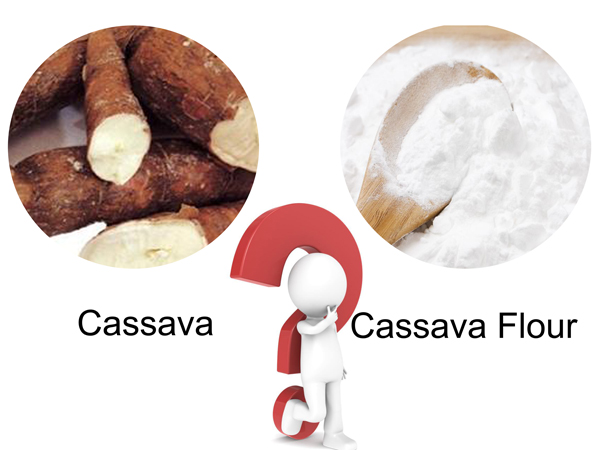 What is cassava flour making process
The cassava flour making process mainly includes the following:
Cassava choosing-cleaning-washing-crushing-dewatering-drying-sieving and packing
1. Cassava choosing unit: Raw material is the key factors which influence the quality of final products, therefore it will be better to choose mature, healthy, firm and fresh cassava in cassava flour making process. What calls for special attention is that not to use damaged or cracking cassava. Due to the short shelf life of cassava, the chosen cassava should be transported into storage ground by truck as soon as possible.
2. Cassava cleaning unit: Cleaning and washing are important steps in preprocessing stage of cassava flour making process, for cleaning cassava will result in high quality cassava flour. Cleaning serves to eliminate the attached debris on cassava, for example, stone, sand, weeds and leaves. The principle of cleaning is rubbing and colliding between the cassava and machine.
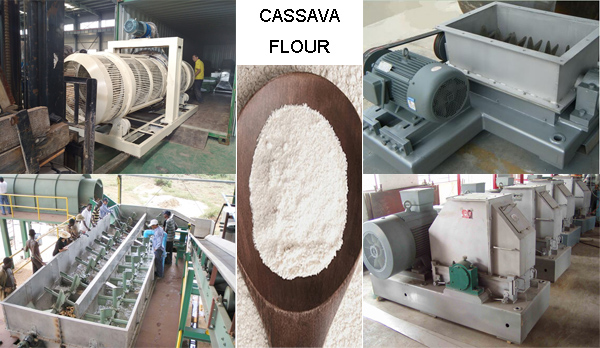 Cassava flour making machine
3. Washing unit: The function of washing in cassava flour processing plant is to further remove impurities of cassava, like the outer peels, mud, dirt and so on. Small scale production line adopts manual washing. By principle of backwashing, the modern production process is more water saving and economize on manpower.
4. Crushing unit: Here comes the most important unit for cassava flour making process. Crushing plays the decisive role in cassava flour yield, the more crushing rate of the rasper, the more products yield. Some plants also chop the cassava roots into small pieces before crushing to lower the burden of crushing machine. At the same time of crushing, adding an appropriate amount of cooling water or recycled slurry serves to cool the machine and dilute the slurry.
5. Dewatering unit: In order to dry cassava flour, it is necessary to dehydrate the cassava slurry firstly in cassava flour making process. There are a variety of choices for the dehydrator, such as plate frame filter press for medium and large scale production capacity, hydraulic press on a small scale production, so as to reduce moisture in materials and improve drying efficiency and quality.
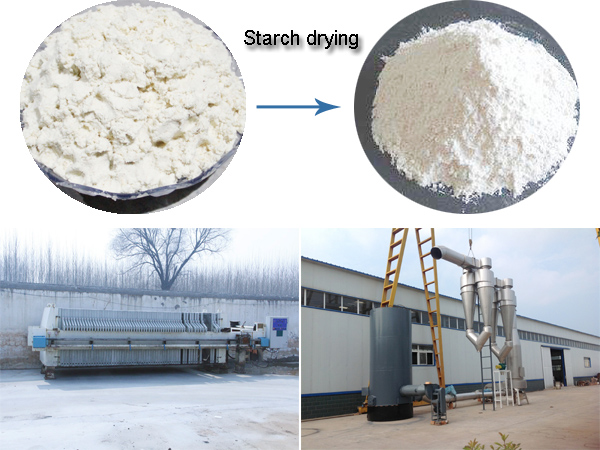 Cassava flour dewatering and drying
6. Drying unit: Drying operation follows dewatering to further decrease water content of cassava flour to meet commercial standards. Industrial cassava flour making process using the hot air instant drying method which is fast in seed and high efficient. The traditional drying method is sun drying which is mainly effected by the weather factors.
7. Sieving and packing: Sieving process in cassava flour making process mainly serves to sift flour to remove fibrous materials and lumps so that the cassava flour can meet the market standards in terms of fineness. Then the finished cassava flour is appropriately packed by semi-automatic packing machine for storage.
Doing Company as a professional and senior starch processing machine manufacturer, expect advanced cassava flour processing equipment, DOING engineer can provided equipment layout diagram and other data according to requirements for the structure of production plant. Besides, DOING engineer is responsible for production line installation, debugging or technical guidance, and training operators.
 Tapioca Starch Plant Upgrade: How Can I Increase Production Capacity?
Cassava Flour Milling in Thailand: Process, Equipment, and Throughput
How Many Tons of Potatoes Make 1 Ton of Starch? How to Start a Profitable Potato Starch Processing Business?
How Much Space for a 5tph Cassava Starch Processing Plant? Complete Factory Layout & Setup Guide
What Is the Market Price of Cassava Flour and Is Cassava Flour Processing Profitable?
From Fresh Cassava to Cassava Flour: A Complete Dry Process
Can cassava flour processing be a profitable alternative to wheat flour?
Is the Fufu Flour Processing Business Profitable?
Why Is the HQCF (High Quality Cassava Flour) Processing Business So Popular in Nigeria?
What Budget Is Required to Start a Cassava Flour Production Business in Congo?
Henan Jinrui Secures 2-in-1 Processing Line Project for Garri and Cassava Flour Production in Gabon
Henan Jinrui delivers attieke processing equipment to the customer in Côte d'Ivoire
Henan Jinrui Successfully Ships Cassava Flour Processing Line to Madagascar Client
Henan Jinrui Advanced Cassava Starch Processing Equipment Wins Over Nigerian Food Processor
Henan Jinrui Delivers Custom 1TPD Garri & Attieke Making Equipment to Benin
Tapioca Starch Plant Upgrade: How Can I Increase Production Capacity?
Cassava Flour Milling in Thailand: Process, Equipment, and Throughput
How Many Tons of Potatoes Make 1 Ton of Starch? How to Start a Profitable Potato Starch Processing Business?
How Much Space for a 5tph Cassava Starch Processing Plant? Complete Factory Layout & Setup Guide
What Is the Market Price of Cassava Flour and Is Cassava Flour Processing Profitable?
From Fresh Cassava to Cassava Flour: A Complete Dry Process
Can cassava flour processing be a profitable alternative to wheat flour?
Is the Fufu Flour Processing Business Profitable?
Why Is the HQCF (High Quality Cassava Flour) Processing Business So Popular in Nigeria?
What Budget Is Required to Start a Cassava Flour Production Business in Congo?
Henan Jinrui Secures 2-in-1 Processing Line Project for Garri and Cassava Flour Production in Gabon
Henan Jinrui delivers attieke processing equipment to the customer in Côte d'Ivoire
Henan Jinrui Successfully Ships Cassava Flour Processing Line to Madagascar Client
Henan Jinrui Advanced Cassava Starch Processing Equipment Wins Over Nigerian Food Processor
Henan Jinrui Delivers Custom 1TPD Garri & Attieke Making Equipment to Benin
DOING company offers cassava processing machine from single machine to the complete production line. If you want to get more details about Cassava flour making process , please contact us: